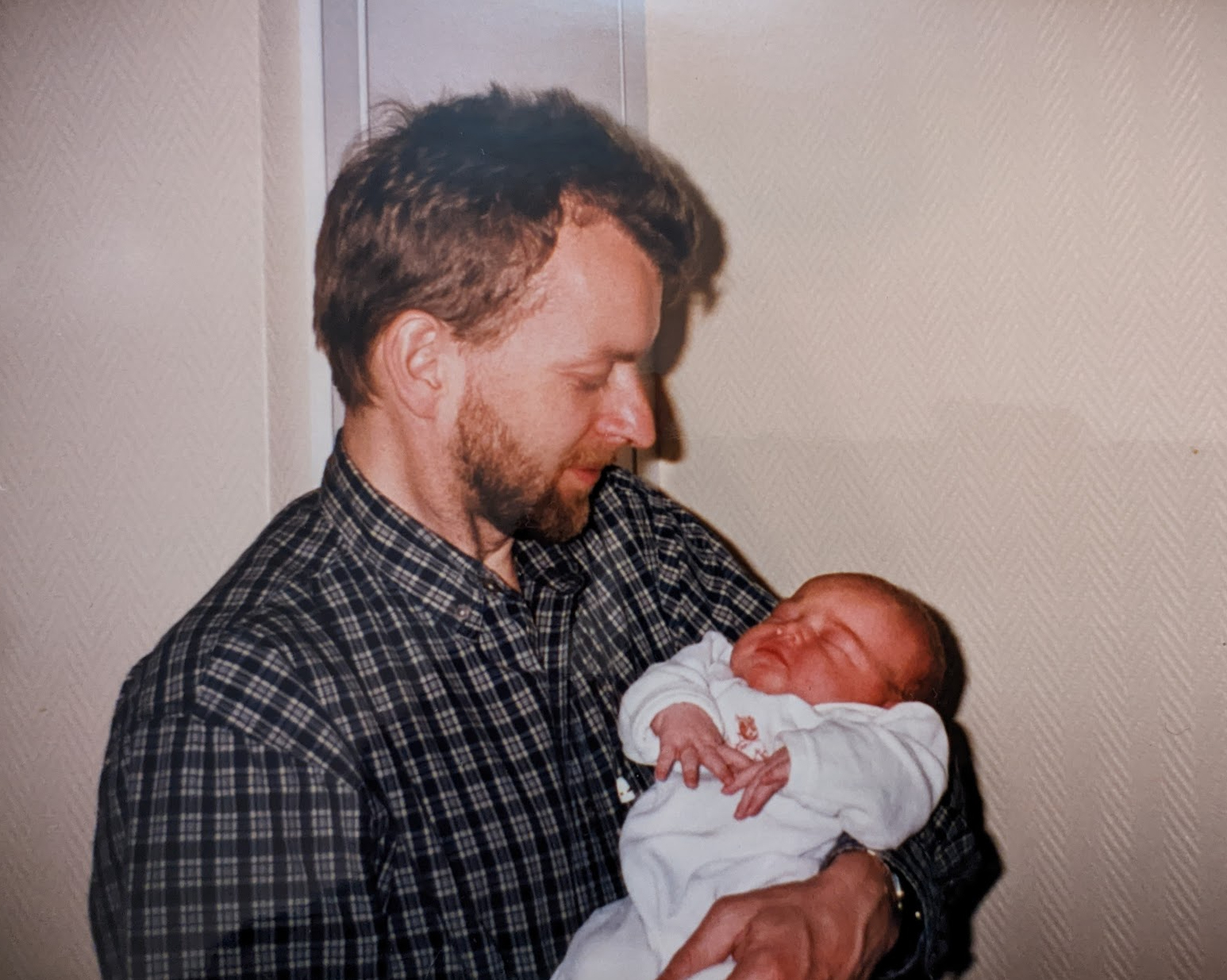
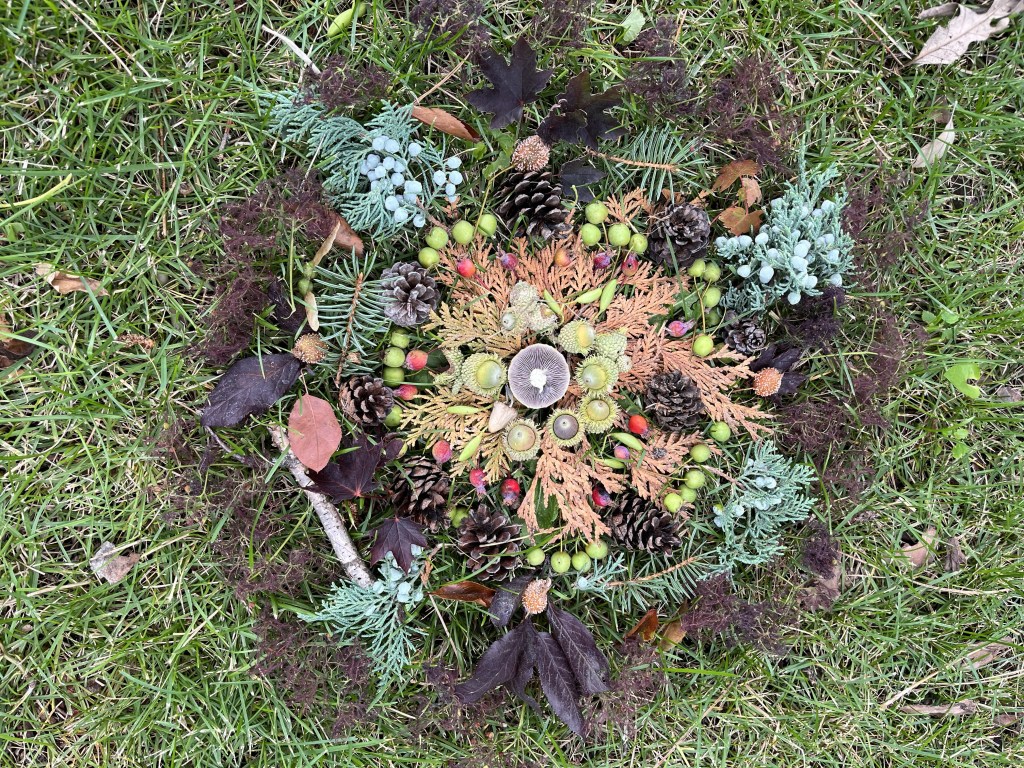
This is a picture of a nature mandala my mother made this past weekend in honor of my father. In November, 2022, my father passed away after a 3-year battle with brain cancer. I was 22 years old.
Some days, when I wake up, I don’t have the energy to move beyond the weight of my father’s death – and after nearly 9 months after his death, I have learned that the best way to handle such days is to let myself accept and sit with every inch of the pain.
Yesterday was one of those days. Waking up, my body felt heavy and weak, and the weight of grief seemed to immediately suck out any trace of energy I should have had after a 8-hour night of sleep. And just a couple of hours later, I found myself sobbing, sobbing uncontrollably, feeling a wave of pain just as strong as the ones I felt eight months ago.
In this post, I’d like to delve a little deeper into this funny, or rather, unexpected aspect of grief. Namely, that when the pain of grief and tragedy arise, they are not lesser in intensity than before. Granted, they are less frequent and don’t last for days on end, but the sadness itself is just as strong as the day my father passed. What has changed over time is my acceptance, rather than rejection, of these states, and my learning to cherish them.
When the Pain Surges Back (and unexpectedly so)
In mid-July, my family and I all met in Dublin to begin what would be a one-week trip throughout Western Ireland in honor of my father. This is a trip my father and I had planned to do together just a year ago, just a few months before his passing, and the day of his death I asked my mother and brother if we could go on an honorary trip together to Ireland. One of my father’s sisters had also been present in his passing, and we invited her and her family to join us on this memorial trek.
(I will dedicate a post on this experience next month, but I first need some time to fully digest this heavy but nourishing and symbolic trip.)
Just a couple of months before the trip, back in May, I experienced perhaps the most difficult period of grief and depression since my father’s passing, and the idea of the trip caused deep anxiety within me. Convinced I would be in a horrendous mental space of regret, anger, and sadness throughout the entirety of our time there, I made an effort not to think about it too much. I could not have been more wrong.
The trip itself was emotionally intense, but I did not feel at any point that indescribable and torturous pain which anyone who has experienced a close, sudden death understands. In fact, it was a few days upon our return this past Monday, that the unavoidable, bitter aftertaste of tragic loss hit me and submerged my being in a moment of utter pain.
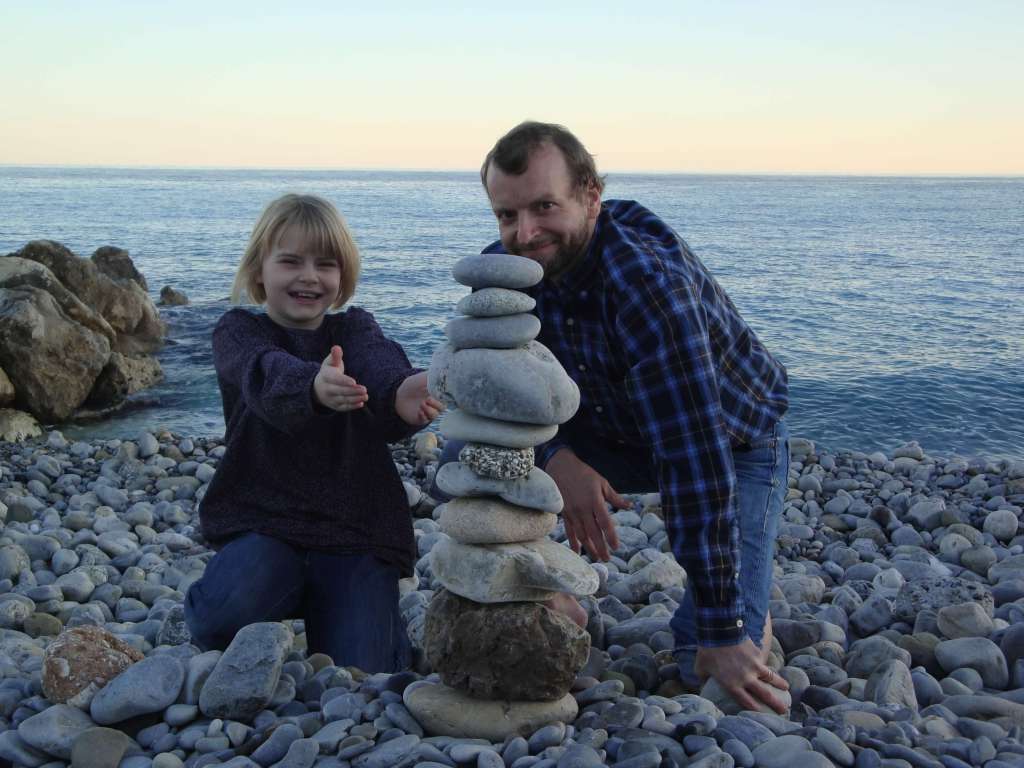
All that to say that there is something uncontrollable about these surges which feel like a physiological reminder of the tragedy you have lived, at least for myself. When our minds are busy and in constant change, the pain can be suppressed, and even when we may find ourselves thinking about the fact, it doesn’t hit so hard: there is still a certain barrier our minds create in order to protect ourselves from constantly feeling what we cannot change.
Accepting the spontaneity of these strong moments of grief has better helped me trust the unconscious instincts which decide for me when to feel the depth of grief, and when to let myself move on in life without the weight of it dragging me down endlessly. Finding this balance is an ongoing process which, I believe, will last until the end of my days, but allowing myself to take this spontaneity as a gift from myself has been a liberating aspect of this long and arduous process.
Just as Death feels Suspended in Time, so Does One’s Grief
In my darkest moments, I always journal and try to do a kind of vomiting of thoughts onto paper to better organize how I feel and understand how it is affecting me. And one of the first things I wrote yesterday morning as tears stung my eyes and created dark spots on my paper was just how ridiculous any measure of time seemed when I thought about my father’s passing and my grief.
Three-fourths of a year, nearly 9 months, or more precisely, 265 days have gone by.
Those words and the sound they ring when I speak them outloud feel devoid of any meaning. This is because the presence a loved one has in one’s life transcends any kind of spatio-temporal constraints we seek to apply to it. My father was only in my life for just under 23 years, and yet, his presence was so large, so important, so meaningful to the person I am today, the way I act, and how I relate to the world, that it feels absurd to calculate the significance of my relationship to him in a matter of years or days.
Of course, human resilience allows for you to break old habits and create new ones in lieu of the person’s absence. My father missed my graduation, I can’t call him to talk about my post-graduation life projects, I can’t seek out his love when I am feeling down. My new habits are accompanied by the pain of his absence, and I still have the instinct and desire to call him in certain moments, and have to go through the painful reminder that he is dead, he will stay dead, I will never see his beautiful brown eyes and curious smile ever again.
But what I mean to communicate here is that length and duration can never calculate deep relations and the meaning they bring to our lives. These relations are not ended when the person’s life does – their effects persist in our very being in the world, as we are constituted, influenced, and transformed by them in ways we can’t imagine. My father is with me everywhere I go, even if his ashes may be the last that remains of his physical existence.
Mindfulness and A Purification of Tears (in a non-religious way)
As per the title of the post, there is really a practice I have developed in these moments of pain which I have found particularly helpful in order to take them as moments of rejuvenation and regeneration rather than ones of misery.
As I woke up and felt the weight of grief like a spike in a gravitational pull, I let myself be heavy. I went outside in the sun and cried my tears out. I wrote, stared aimlessly into the horizon, and cried again. I went to the village cemetery and, although I am not religious, sat in the peaceful space and spoke out loud to my father, tears streaming down my eyes.
I was lucky to take several meditation classes at a meditation center in Minneapolis during my highschool years. These practices have helped me to today take time to clear my thoughts and reconnect with my current mental and physical state when I want to detach from the incessant distraction of a fast-paced and stressful world. It is not a matter of escape, in such moments, but one of recognition, awareness, and acceptance.
I am lucky to have the capacity to sob my heart out in moments when I am in deep grief, as I know that is not so easy for many. For myself, these moments of sobbing allow me to translate this feeling of total overflow within myself that is then manifested in the body.
But these moments of ‘purification’ or of total connection with strong emotions need not go through crying or walking or meditation. They may go through art, such as painting and writing, or ritual, or physical activity. The list is endless. What I mean to say is that part of accepting and becoming grateful for these moments, in my case, has gone through connecting with other modes of communication.
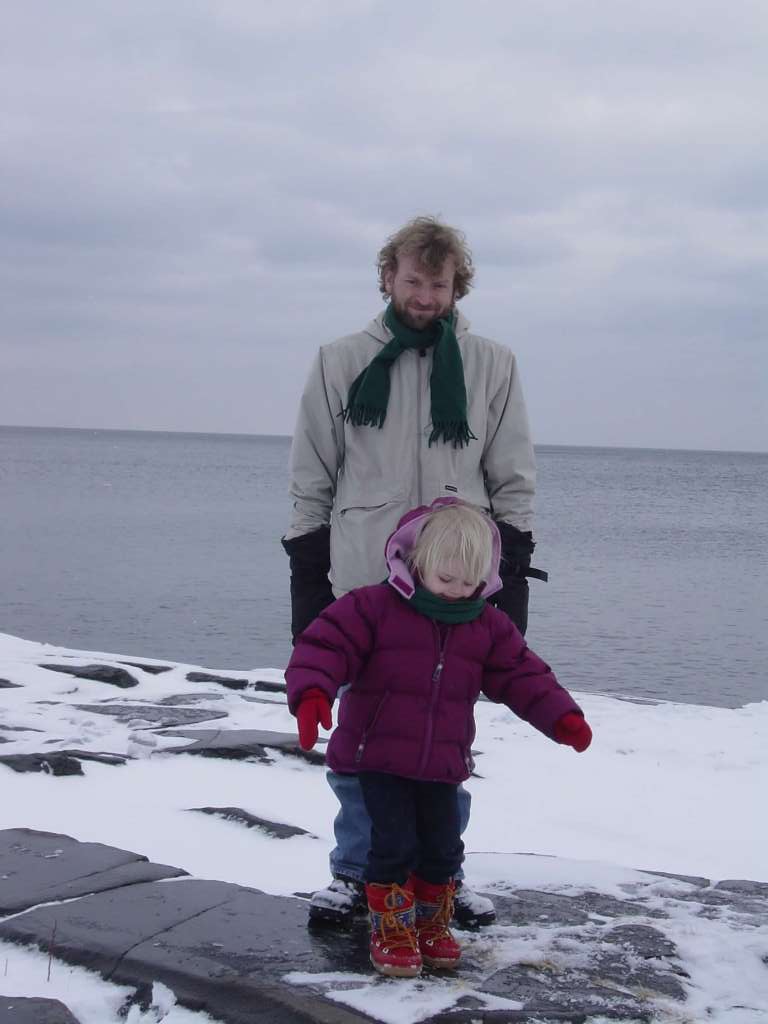
Finding Power and Strength in Tragedy and Death
It is interesting just how singular experience with death may be yet how universal some of the deepest and most intimate reactions we have to it are. I remember reading through so many different online blogs about people’s experience with grief and talking to so many different people in my life about it, and being surprised by the recurring themes they all seemed to share:
Things will get better, whether you believe it or not – You will always find ways to connect with the person you love, even if they are not there – Although your grief will always be a part of you, you will find happiness once again – They will always be with you, no matter what.
These seemingly cheesy lines comforted me in my solace, although the positivity of their nature seemed impossible to reach in those darkest moments I experienced the first six months of my father’s death. Yet today, I am proud to find myself meaning in these lines which I now concord with, although they are bittersweet, such as the classic double-edged sword.
I have found that these moments have also helped me reconnect with my passed father. The pain is, as difficult as it may be, now associated with my relation to him, as his death has affected me so much. Yet in these moments I can delve back in the incredible memories I have with the person I loved most in the world and find the strength to pursue my passions and desires in a life which at some points felt impossible to continue.
Sending my love, and until next time.
Soline


 A Grieving Girl's Blog
Leave a comment